
I turn messy product requests into specs a team can actually build.
Over 10 years leading UX · over 650 shipped features · 2 US patents
My work sits between what stakeholders ask for and what engineers build. I write down the requirements and the reasoning behind them, so nobody has to guess. Two of the stories below come from healthcare; the third is my own app studio.
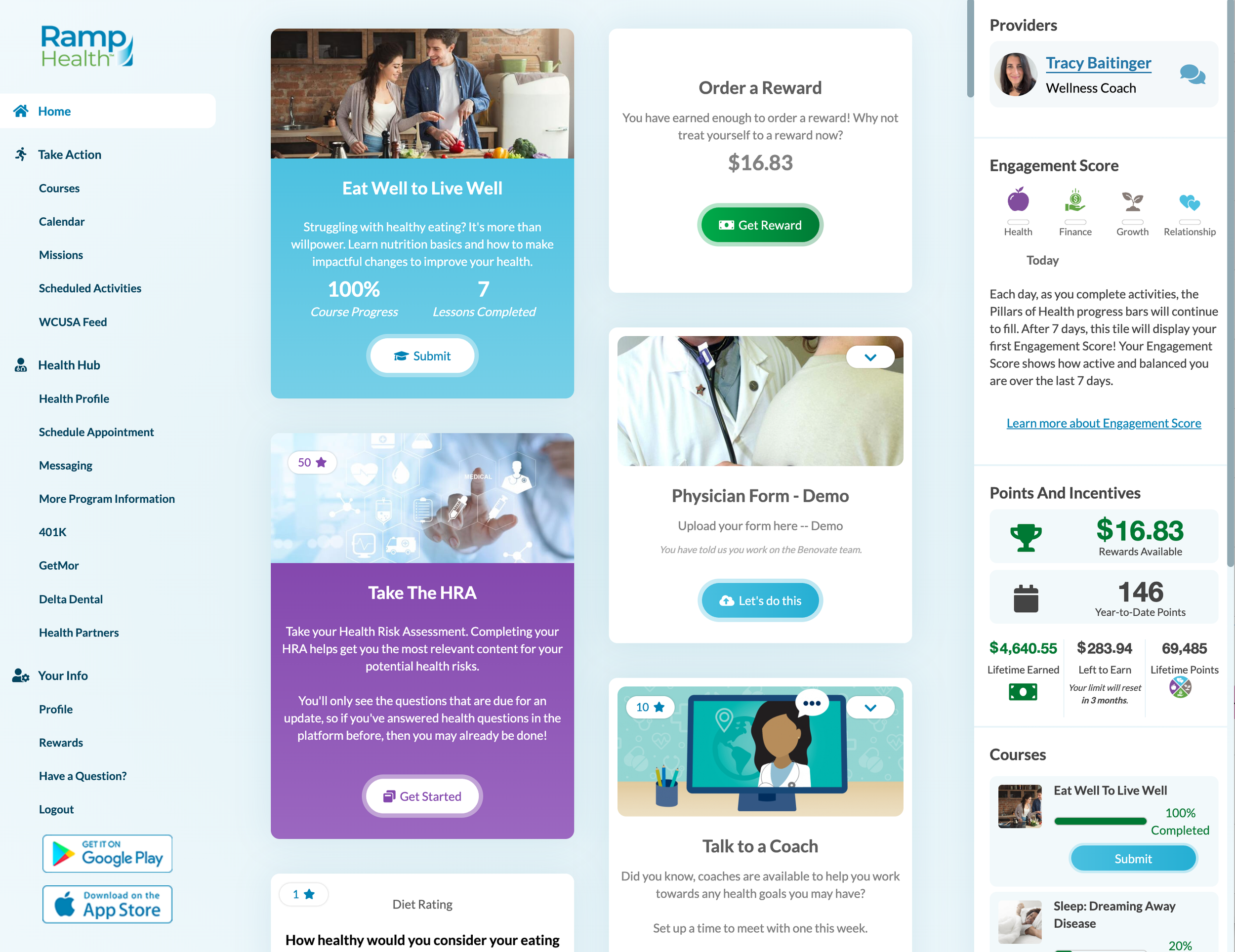
One UX lead for members, providers, and employers
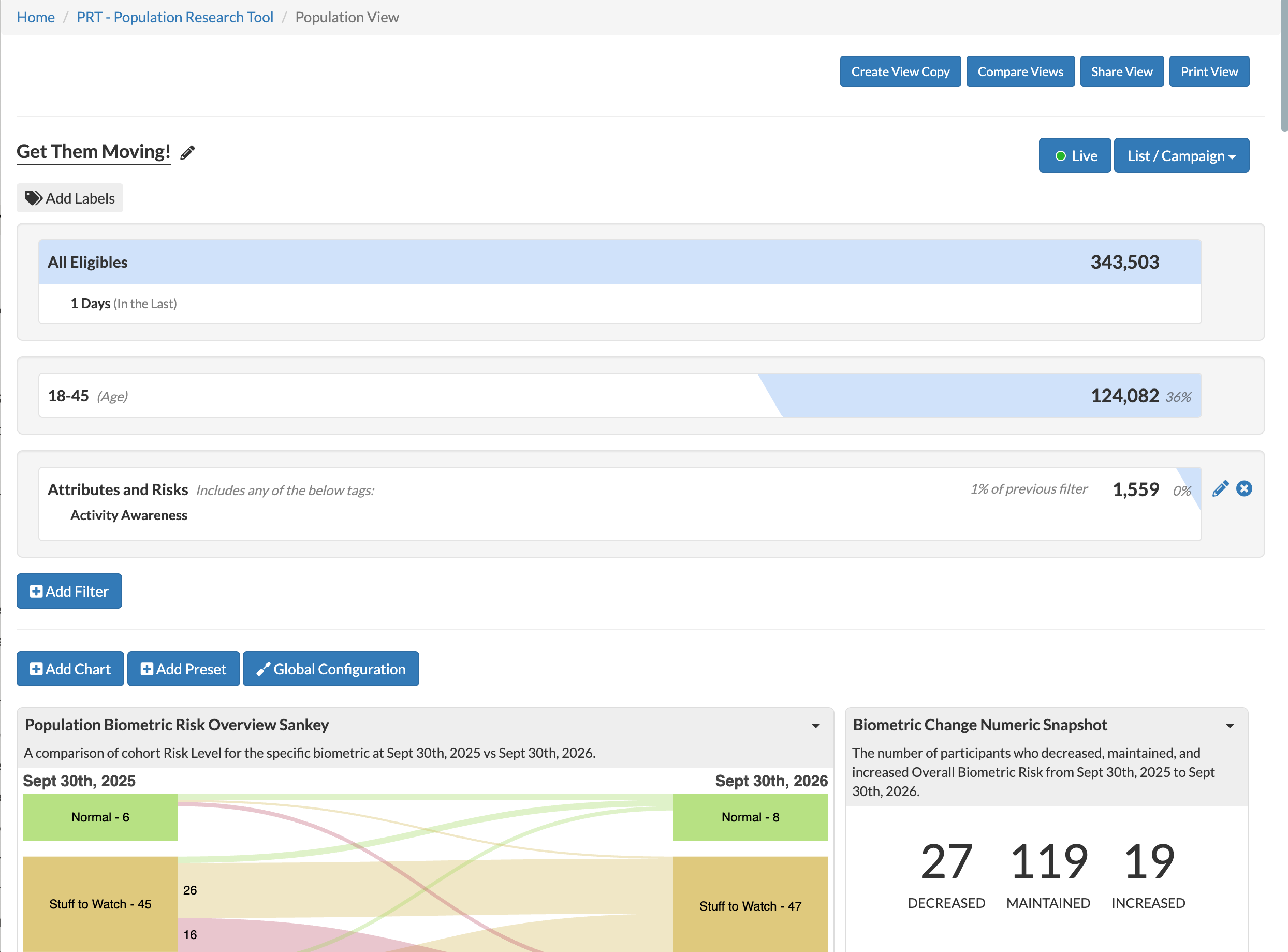
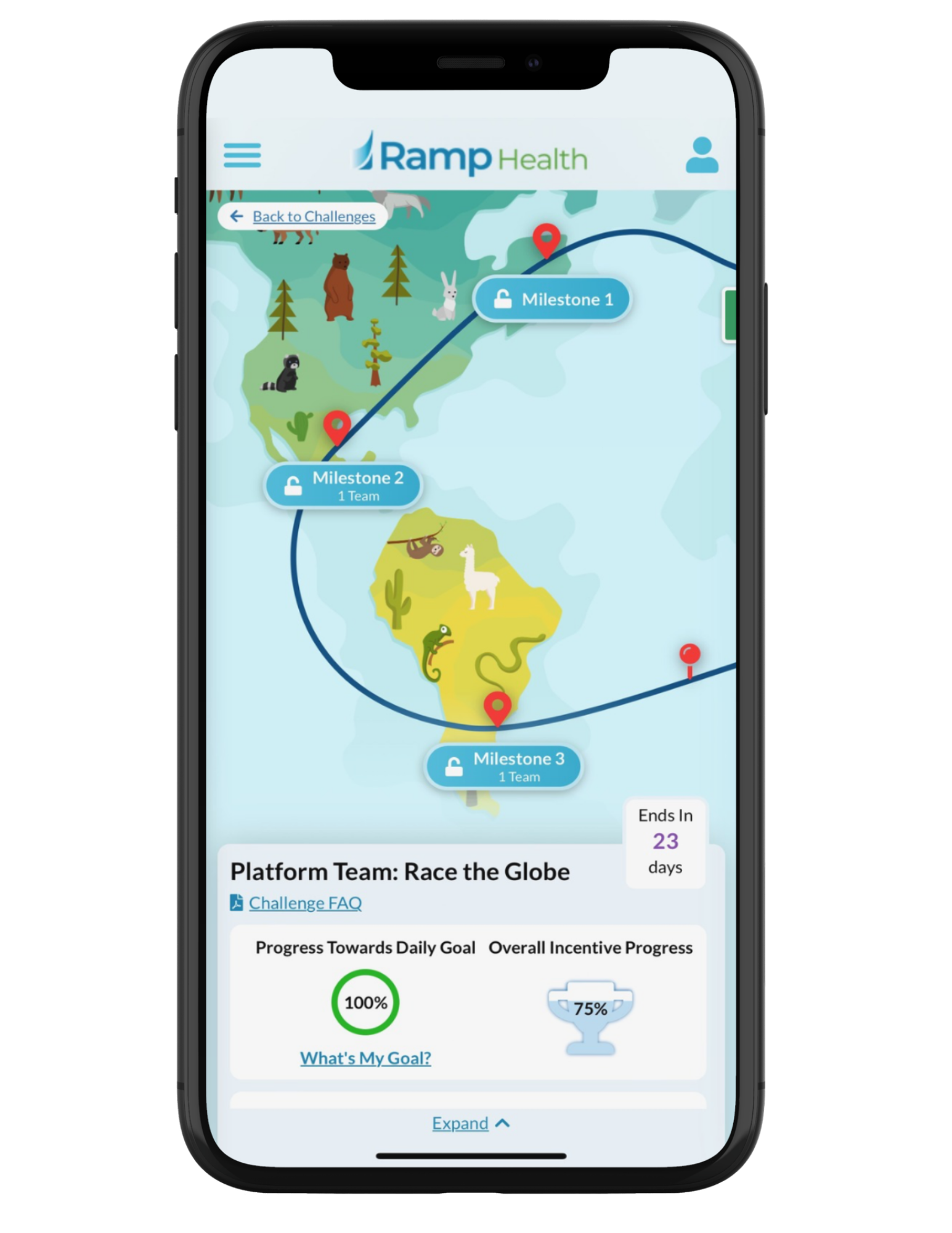
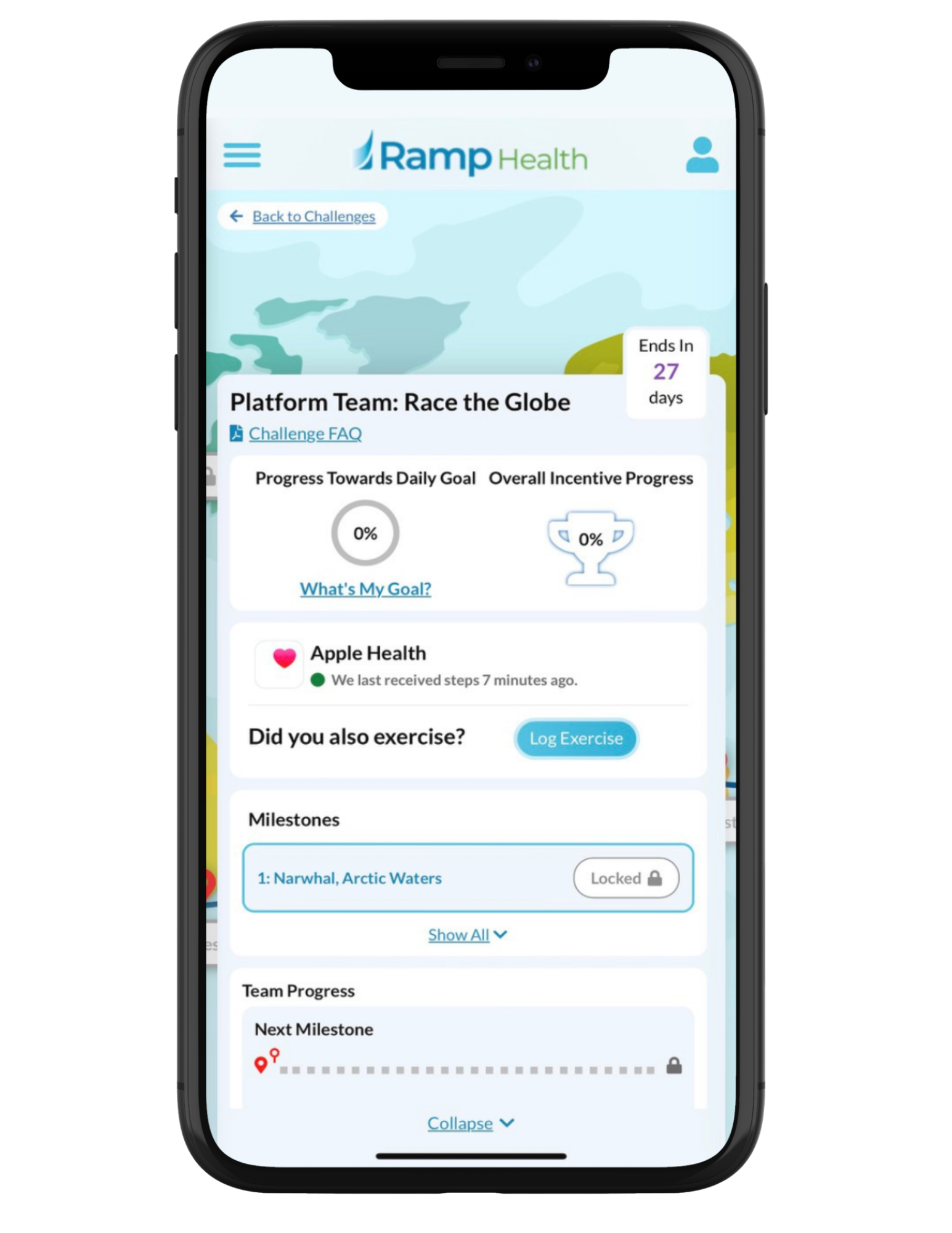
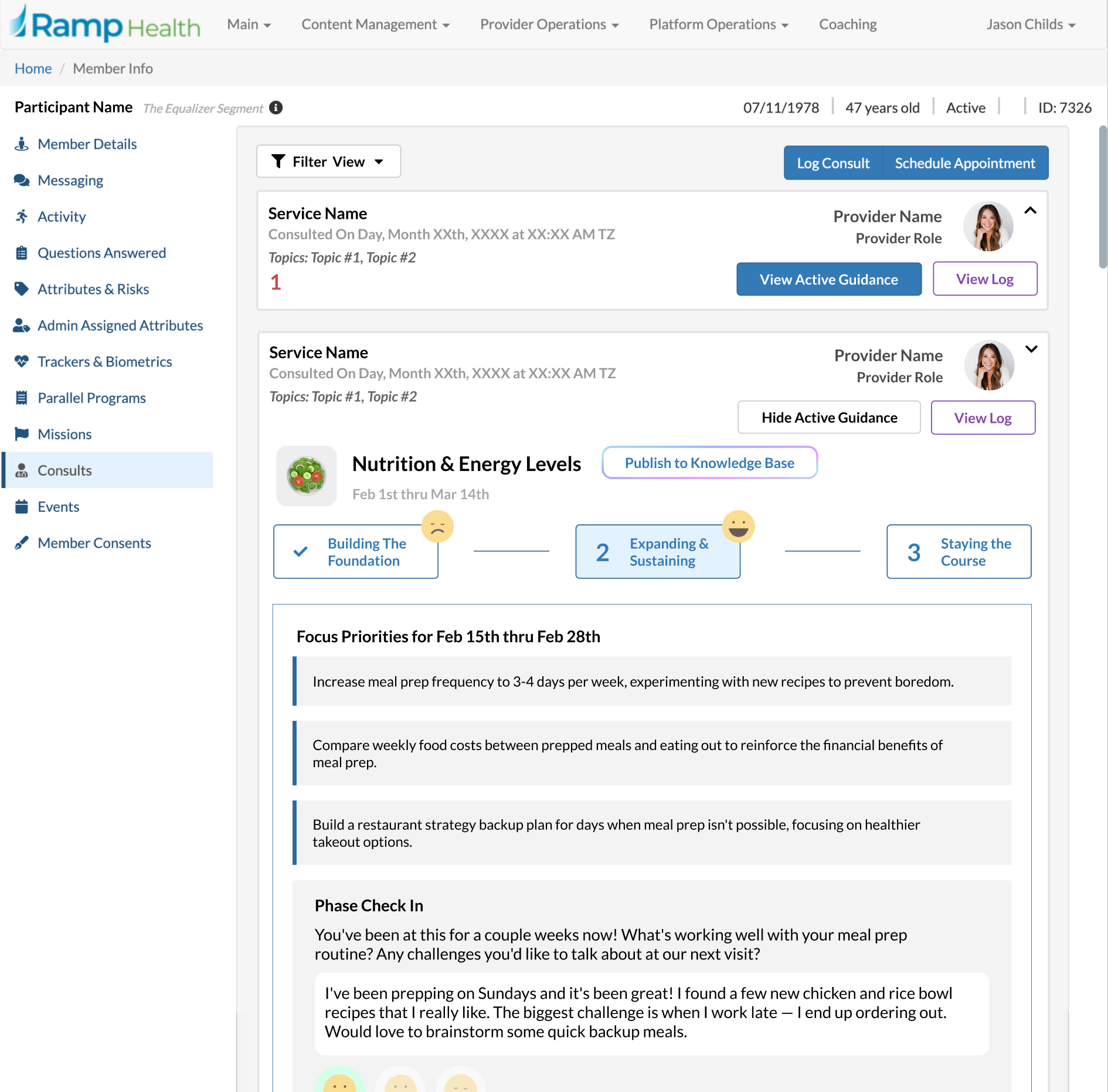
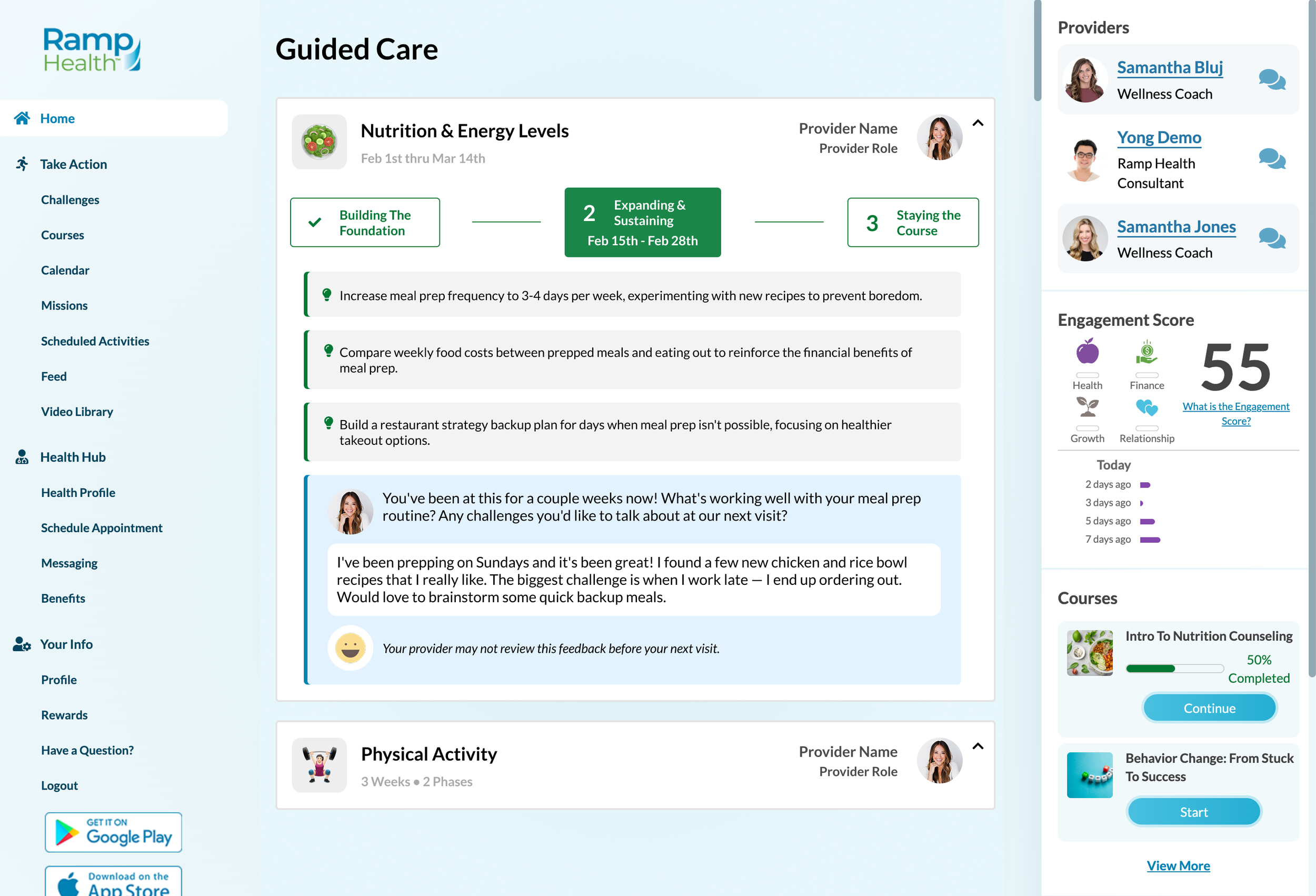
When I started at Ramp Health in 2015, I was the only UX person on a B2B2C health and wellness platform. Today it serves over 200 distributed providers across six clinical service lines and is part of Vitality. Every feature had three audiences: members on a personalized home feed, providers logging consults that changed with each service and employer contract, and the employers paying for the program, who wanted to see ROI. HIPAA decided what could show on a screen and who could see it.
I took each feature from approved requirements through wireframes and Figma mockups to the functional spec engineering built from. I wrote hundreds of those specs, largely without a design team. For nearly 2 years, I also hired and managed a Junior UX Designer. Each spec had to serve all three groups. Members got a personalization engine behind their home feed. Providers got consult logging that adapted to each service and employer, and employers got a reporting tool they could use without touching the member app.
Zero handoff gaps. The Population Research Tool, which turns claims data into ROI reporting for employers, and the personalization engine both became US patents, with me as a named inventor. My specs and hi-fi Figma mockups became engineering’s source of truth.
Most of the work was getting people to agree before anything got built. Here’s the process I used.
- 1Problem ValidationI chaired
- 2Requirements
- 3UX Discovery
- 4Lo-Fi Spec✓ Sign-off
- 5Hi-Fi Spec✓ Sign-off
- 6Dev Handoff
Giving overloaded providers their time back, with AI they can trust
On a visit to a client site in Pennsylvania, I saw providers keeping notes with protected health information on pen and paper. That visit led to Quick Notes, which lets providers enter notes directly on the secure device. That’s where Scout started. Our CTO was building the AI logic for Scout on a HIPAA-bound platform, and the open question was how any AI feature should look to the person using it. What should a confident answer look like, and what happens when the AI isn’t sure? And PHI had to stay off the screen by default.
I designed one shared UX layer for Scout: confidence indicators, fallback states, and handoff to a person. Engineering owned the AI logic. My job was what people saw when the model was confident, unsure, or wrong.
Quick Notes, Consult Quality Check, and Post-Visit Guidance all use that layer, so each new AI feature starts from a pattern providers already know.
Building and shipping my own apps
After years of writing specs for an engineering team, I wanted to know if I could ship a product on my own, with no engineering team and no PM.
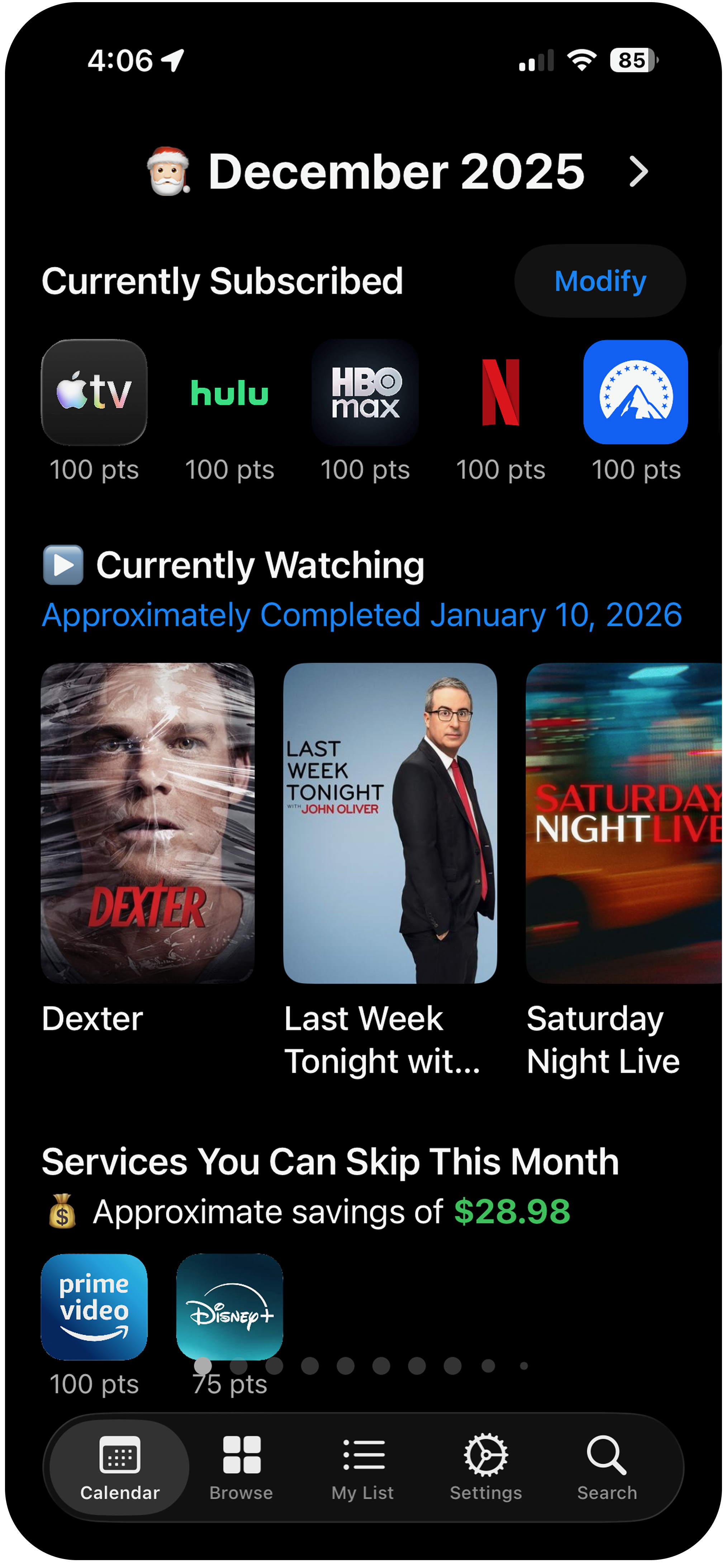
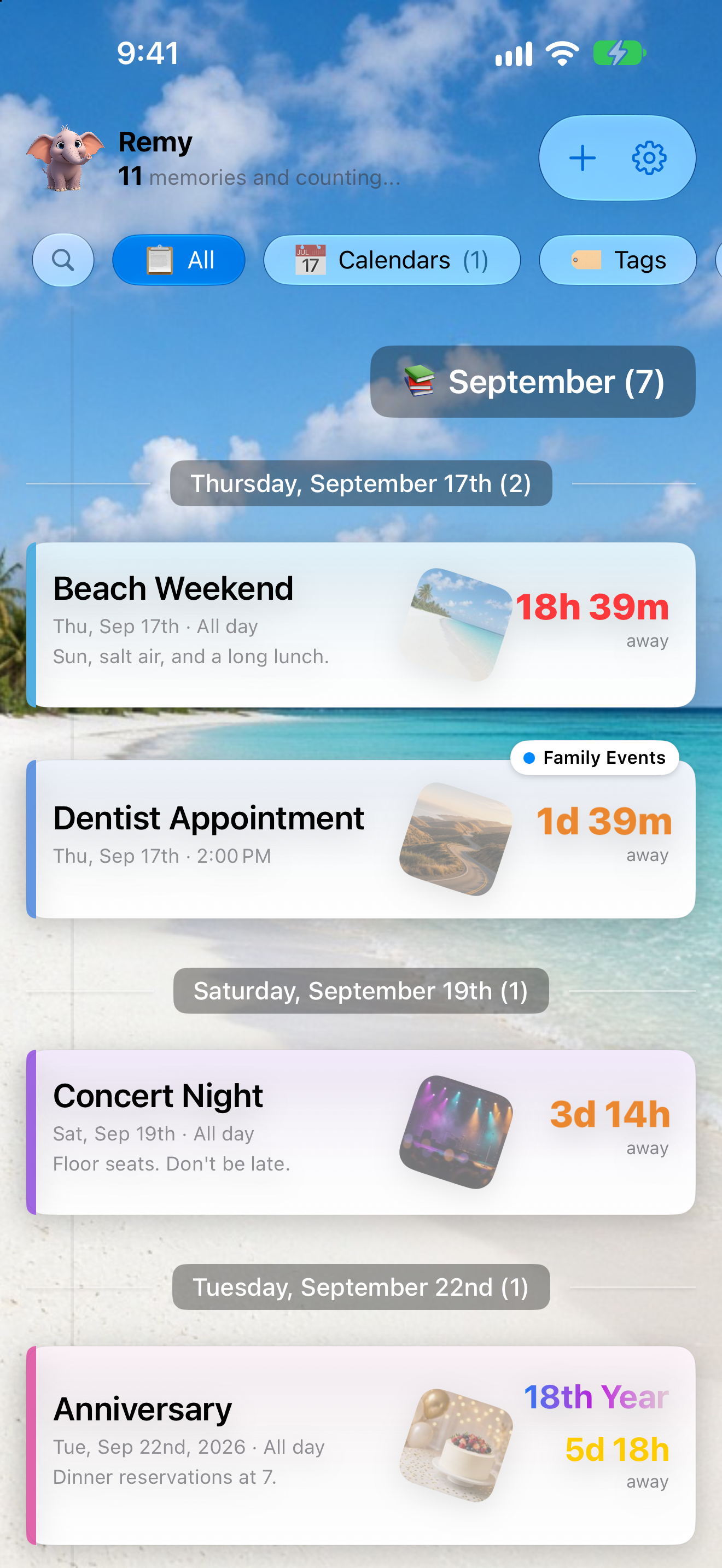
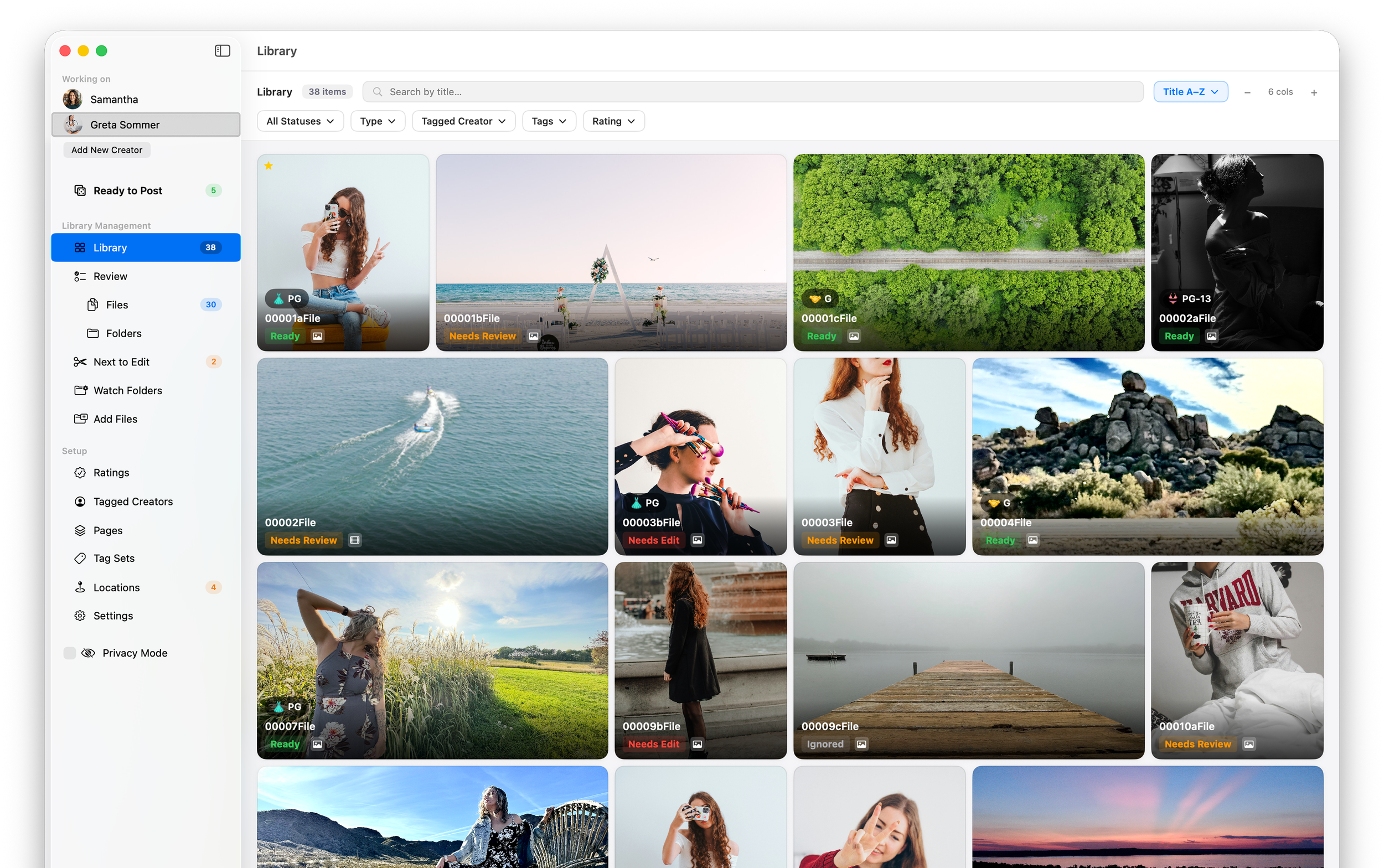
I started Modern Home Labs in 2025 and use Claude and Cursor for the coding I never learned. For each app I own the concept, roadmap, UX, and code. So far that’s Switchlist (streaming subscription optimizer), Remy (memory and countdown companion), Don’t Spend All Your Bacon (budget tracker), and CreatorQ, a native Mac app for content scheduling built around a weighted-rotation algorithm I designed. Switchlist and Remy run on StoreKit 2 subscriptions.
Three apps are live on the App Store and CreatorQ is launching soon, all made with no prior development experience and built privacy-first. I can take a product from idea to paying users on my own.
About me
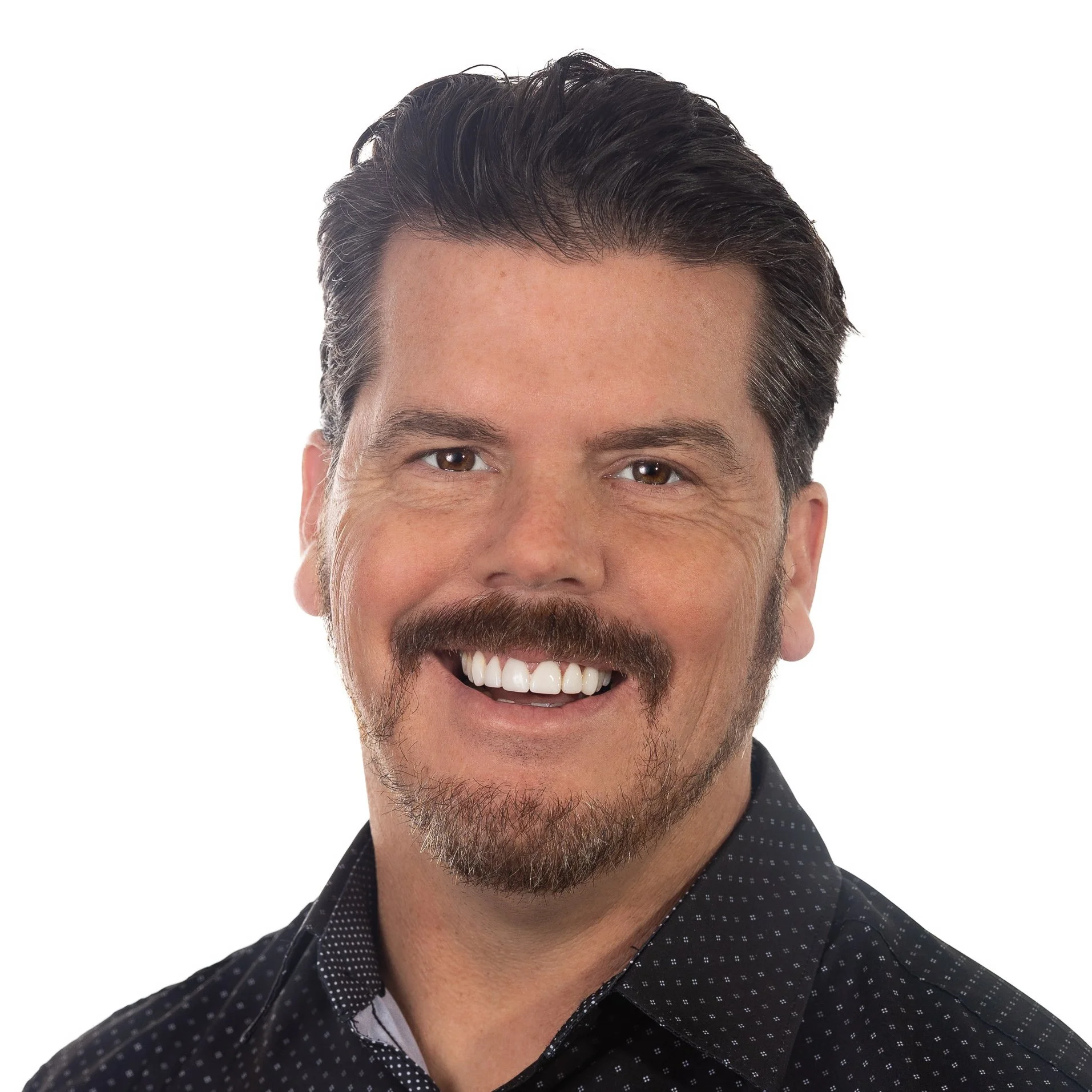
I’m Jason, a product strategist and UX leader in Minneapolis, Minnesota. Since 2015 I’ve been the only UX person at Ramp Health (now part of Vitality), working across one platform for members and one for the providers who serve them. A lot of my work starts with provider interviews and research. In 2025 I started Modern Home Labs to ship apps of my own. I like problems with real constraints, like regulated data and stakeholders who don’t agree.
What I’m looking for
Founding Designer or first design hire at a startup. Senior or Principal Product Designer at a Series A or B company. Head of Design at an early-stage company. Or a Product Manager role that wants a strong UX background. Remote, in any industry (health tech included) where a complicated product needs someone to sort out what to build.